Everything in our bag for one-minute films
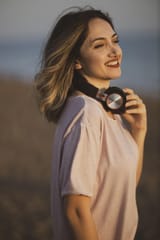
One backpack, three lenses, a very important windshield and a thermos.
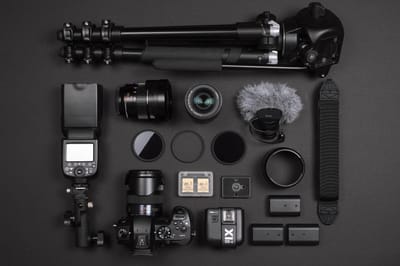
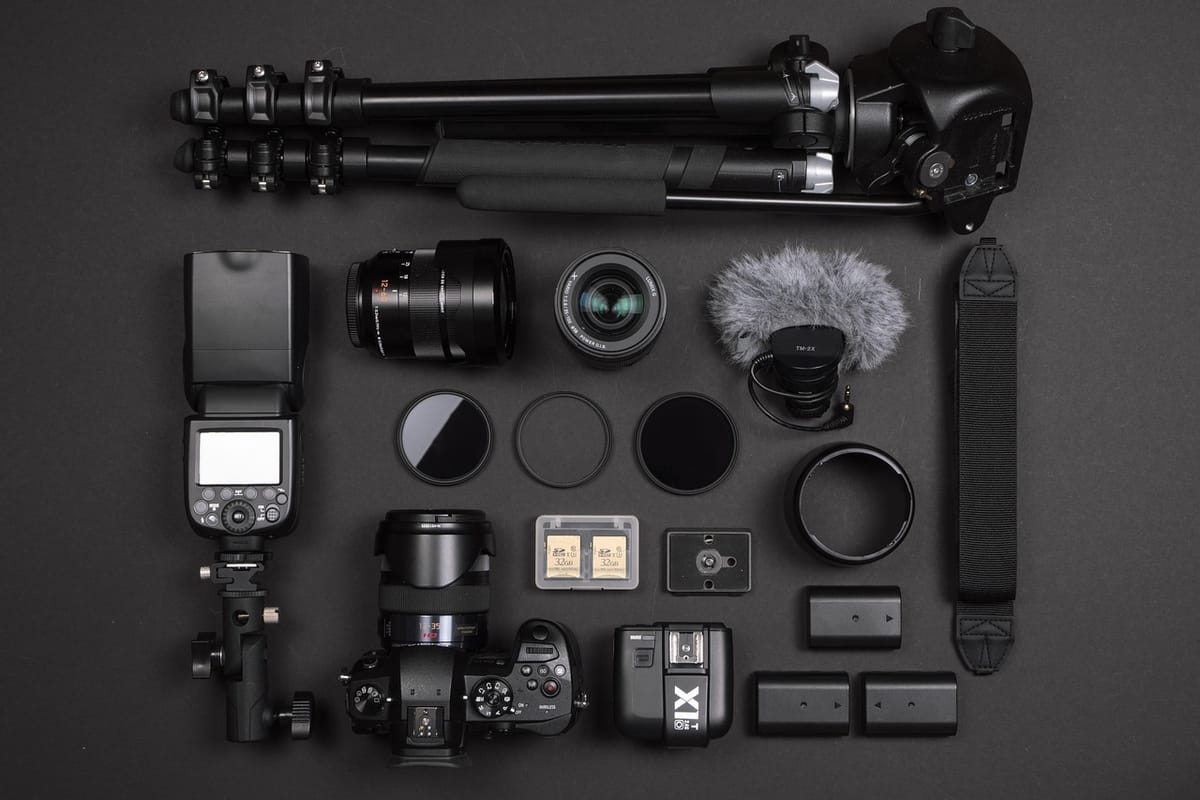
People ask what is in our bag more than anything else. Here is everything we carry for a one-minute film, what each thing is for, and what we have stopped carrying.
The rule
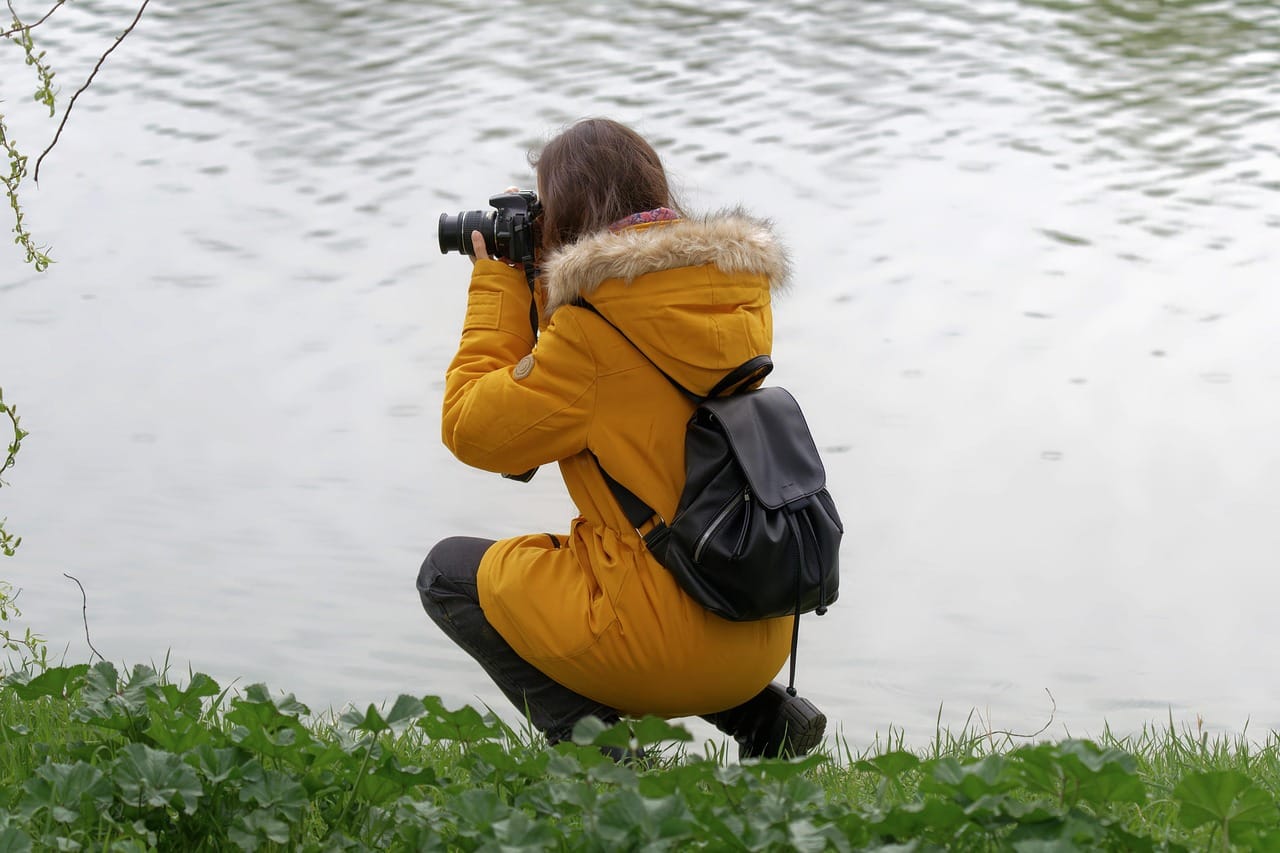
Everything must fit in one backpack that one person can carry up a mountain in the dark. If it does not fit, it does not come. This rule has shaped our films more than any camera has: we make films that one person with one bag can make.
Camera and lenses
| Item | Why we carry it |
|---|---|
| One mirrorless camera | Small, quiet, good in low light |
| 20 mm f/1.8 | Night skies and tight spaces |
| 35 mm f/1.8 | Most of our films; close to how the eye sees |
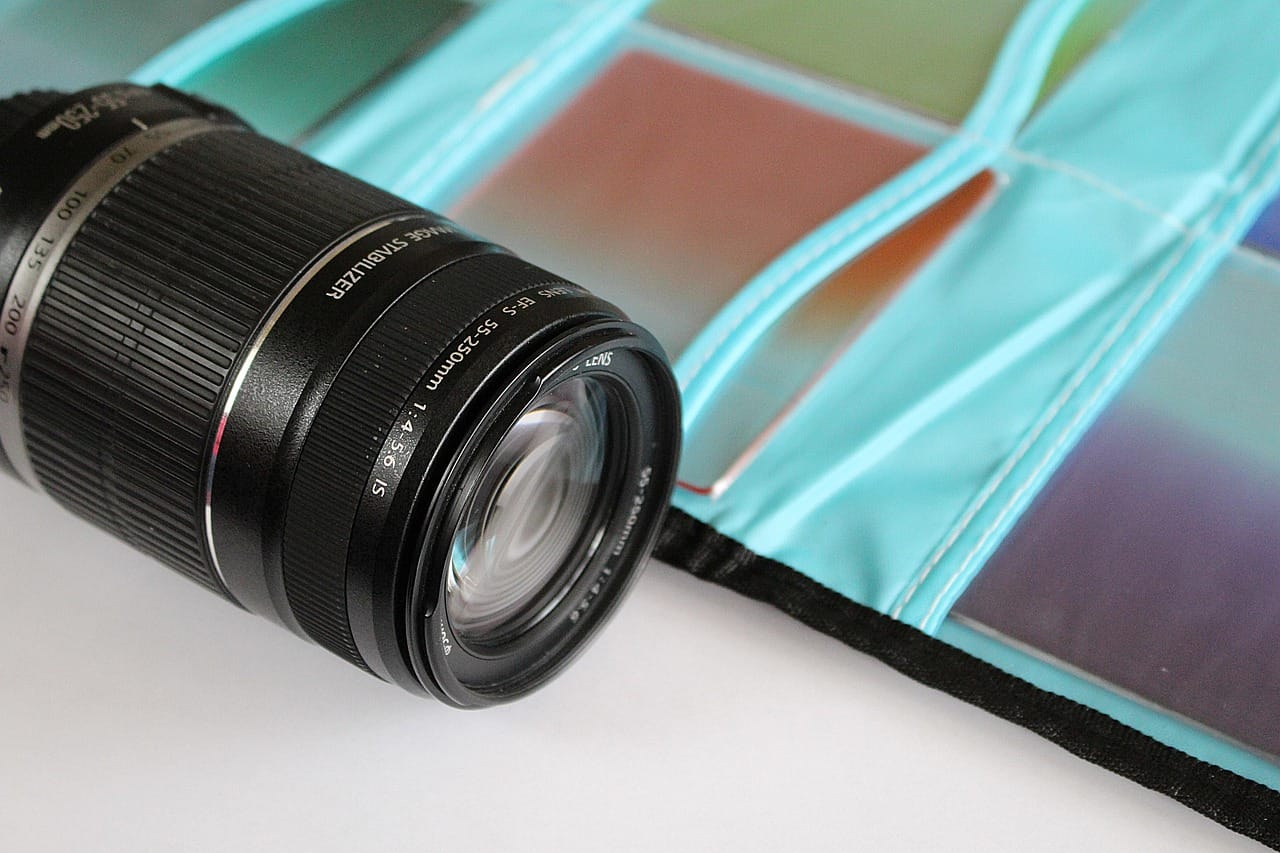
| 70–200 mm f/4 | Landscapes from far away, compressed layers |
| L-bracket | Turns the camera on its side for shorts |
We sold our zoom lenses in the middle range. Three fixed lenses make us move our feet, which almost always gives a better shot.
Support
A small carbon tripod with a video head, and a one-metre slider. That is all. We tried a gimbal for a year and used it twice.
Sound
Sound is half of every film, so it gets its own pocket.
- A small field recorder with two built-in microphones
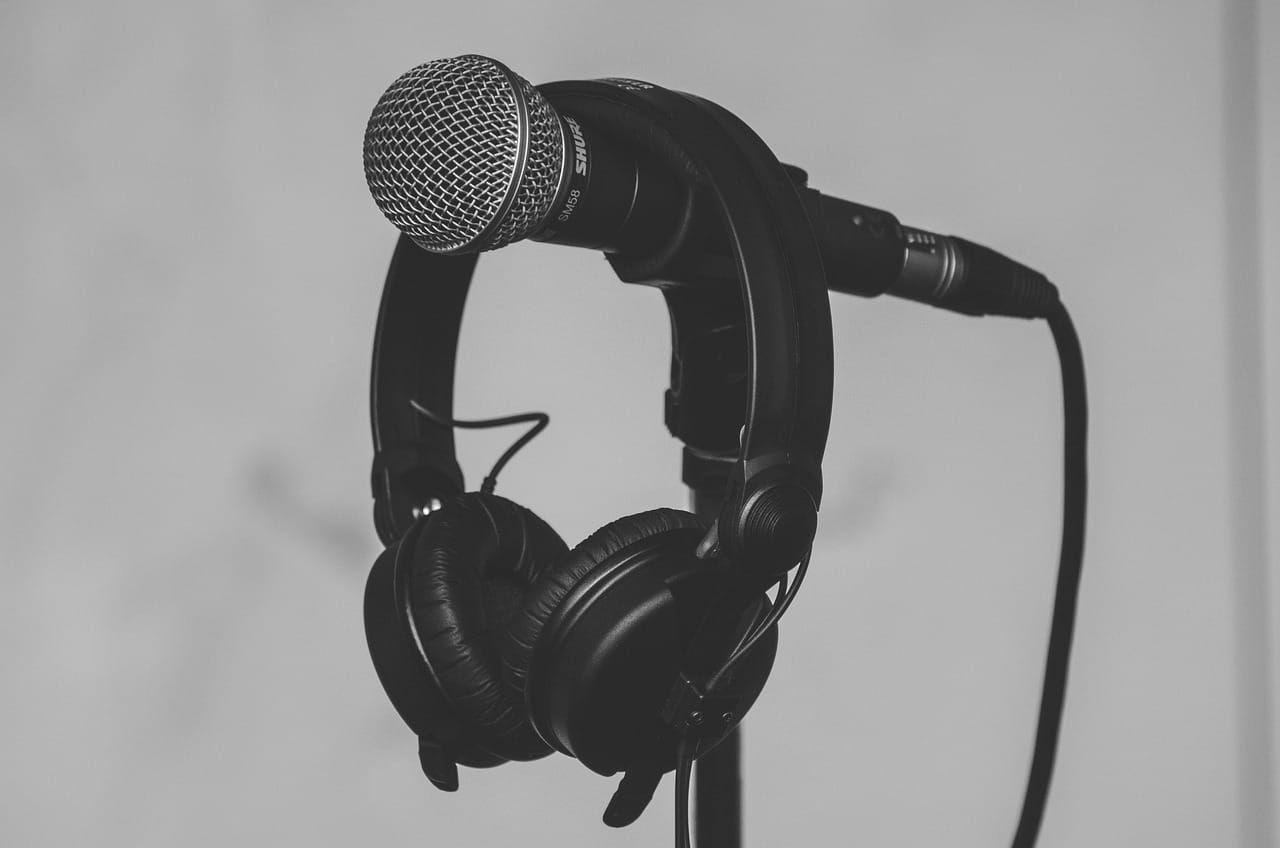
- A directional microphone for the camera
- A furry windshield (the most important thing in the bag)
- Good headphones that close around the ear
The small things that save a shoot
- Spare batteries, kept warm in an inside pocket in winter
- A lens cloth and a small rocket blower
- Gaffer tape, for everything
- A head torch with a red light
- A thermos, which is not optional
The best camera is the one you are willing to carry up the hill.
Noa Park
What we stopped carrying
A second camera body, a drone on every trip (it comes only when we plan an aerial shot), a laptop (we edit at home), and a big light we never used. Removing each one made the bag lighter and the films simpler.
Things we carry that are not gear
A paper map of the area, because phones die and signal disappears. A small notebook for settings, times and ideas. A bin bag to sit on and to keep the camera dry in sudden rain. Snacks that do not crumble. And a printed copy of the permits, if we need any, because a ranger at six in the morning does not always accept a screenshot.
What we would change
If we started again, we would buy fewer things and better ones. Our first bag was full of cheap accessories we thought we needed: a shoulder rig, a follow-focus, a small monitor, three kinds of clamp. Most of it sat in a drawer after a month. The things we use every day are simple, solid and a little boring, and they have lasted for years.
Looking after it
Most of our kit is old. The camera is five years old, two of the lenses are older, and the tripod has a leg held together with gaffer tape and pride. We clean everything after every shoot, dry it overnight after rain, and send the camera for a service once a year. Good kit that is looked after lasts much longer than people think, and the money we did not spend on upgrades paid for the trips to film the northern lights and the fog. If you are choosing between a new lens and a train ticket to somewhere beautiful, we would buy the ticket.