Northern lights, if you wait long enough
Four nights of waiting for ten seconds of green sky.
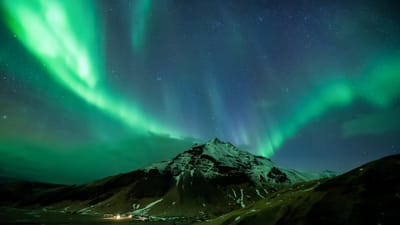
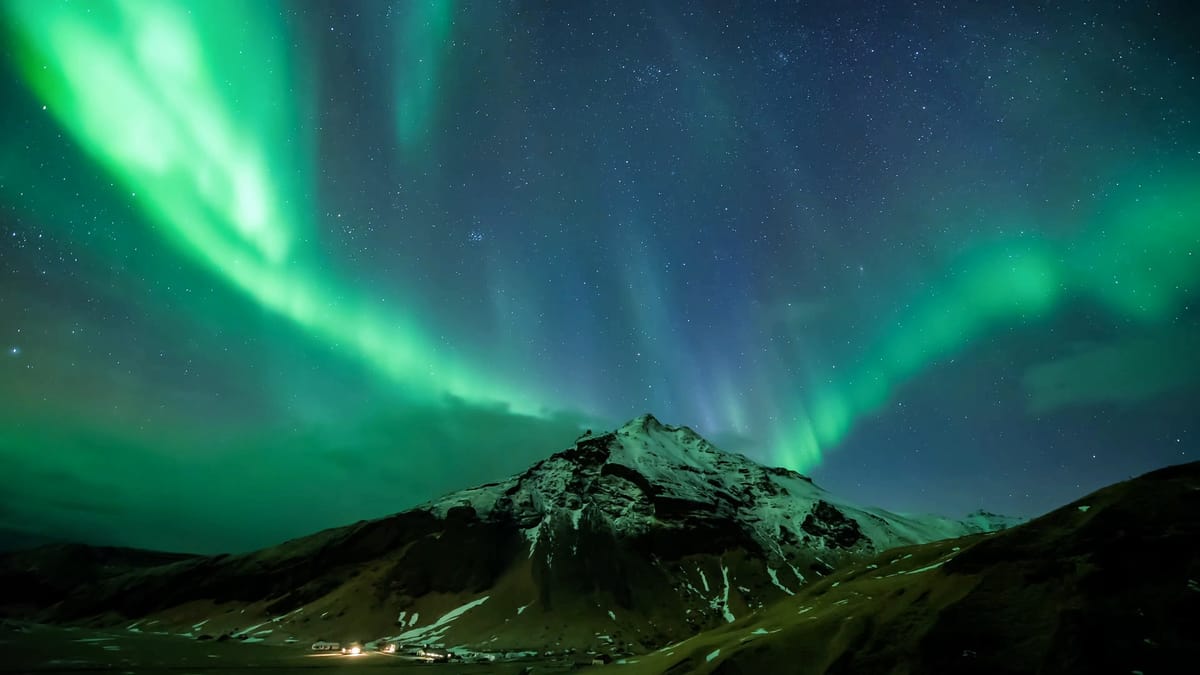
Ten seconds of the northern lights. We waited four nights for them, and they lasted for about as long as it takes to read this sentence.
Chapters
- 0:00 Green
- 0:05 The ridge
Waiting
The aurora forecast is like the weather forecast, but less honest. It told us the chances were good on all four nights. On the first night it was cloudy. On the second it was clear, but nothing happened. On the third, a faint grey arc sat on the horizon for two hours and never turned green.
On the fourth night, at 01:10, the arc brightened, turned green, and for about three minutes the sky moved. We filmed all three minutes. The film is the best ten seconds.
Filming in the dark
The aurora is dim, even when it looks bright to the eye. We filmed at a very high sensitivity, with the widest aperture our lens allows and a shutter of a quarter of a second. That creates a slightly dreamy, smeared motion, which is honestly how the aurora feels to watch.
| Setting | Value |
|---|---|
| Lens | 20 mm f/1.8 |
| Shutter | 1/4 s |
| ISO | 6400 |
| Frame rate | 4 fps, played at 25 |
| Temperature | −17 °C |
The low frame rate means the film is slightly faster than real life. We decided that was more truthful than the alternative, which was a black screen with some noise in it.
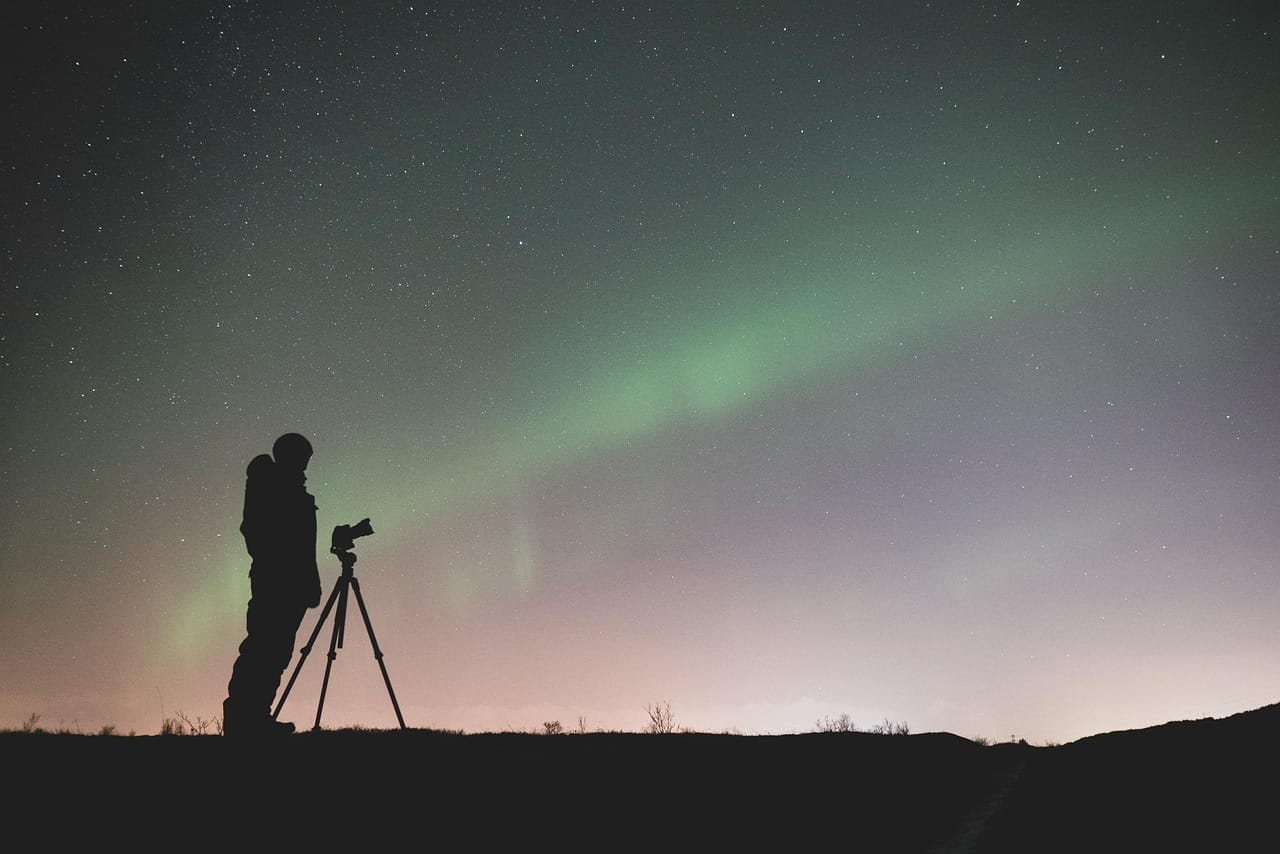
You do not film the aurora. You wait for it, and it lets you film it for a while.
Jonah Mills
What we learned
Bring more batteries than seems reasonable, and keep them warm. Set up in daylight, so you know where the horizon is. Focus on a distant light before it gets fully dark, and tape the focus ring. And do not give up on the fourth night.
Four nights, hour by hour
It is worth describing the waiting, because the waiting is most of the job. Each night we went out at ten, set up the camera on the same flat rock above the cabin, and checked the sky every fifteen minutes. Between checks we sat in the car with the engine off, wrapped in sleeping bags, reading the forecast on a phone that lost a quarter of its battery every hour in the cold.
At two in the morning we packed up, walked back to the cabin and slept until nine. In the afternoons we scouted for other places to film, cooked, and argued gently about whether to stay one more night. Every afternoon, the answer was yes.
Why the ridge
We chose the ridge because it gives the sky something to stand on. Aurora over flat land or open sea can look like an abstract painting: beautiful, but without scale. A dark ridge at the bottom of the frame tells you how big the sky is. It also hides the lights of a small village to the north, which would otherwise glow orange at the edge of the frame.
The three minutes
When it finally came, nobody spoke. Jonah started the recording, Noa stood behind the tripod with a hand on the leg to stop it shaking in the wind, and Lina recorded the silence, which on a windless night at minus seventeen is a very particular kind of silence. You can hear your own heartbeat and the creak of snow when you shift your weight. That recording is the sound of the film.
If you want to try
You do not need to go as far north as we did. On strong nights, the aurora is visible much further south than most people think, low on the northern horizon. Download an aurora alert app, find a dark place with a clear view north, and give yourself more nights than you think you need. Take a thermos, a folding chair and the patience of someone waiting for a bus that may never come. When it does come, remember to look at it with your own eyes for a while, not only through the camera. We almost forgot.