The city from the twenty-third floor

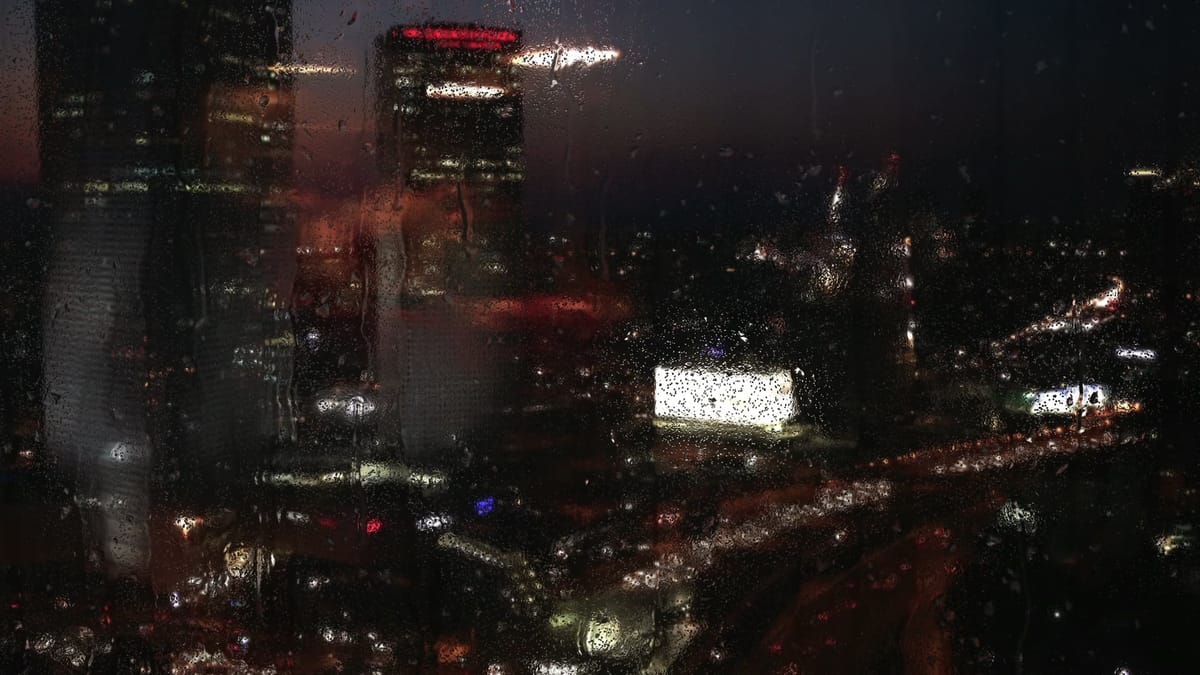
The street film was rained off. So we filmed the skyline from a dark hotel room.
Fifteen seconds of a city at night, filmed from a hotel window with the lights off, while it rained on everyone else.
Chapters
- 0:00 Skyline
- 0:05 The long lens
- 0:10 Lights out
The room with the view
This was not the plan. The plan was a night walk: umbrellas, reflections, neon in puddles, a moving camera at street level. Then it rained so hard that the street film became impossible and we were left in a hotel room on the twenty-third floor, looking at a skyline that nobody else was filming, because everyone else was sensible and indoors.
So we filmed that instead.
Filming through glass
Filming through a hotel window has three problems: reflections, dirt and the gap between the glass panes. We turned off every light in the room, including the television standby light, which reflected in the window like a small red moon. We pressed a rubber lens hood flat against the glass to block what was left. And we cleaned the window, on the inside, with a sock.
The outside of the glass was covered in raindrops. We decided that was a feature.
The long lens
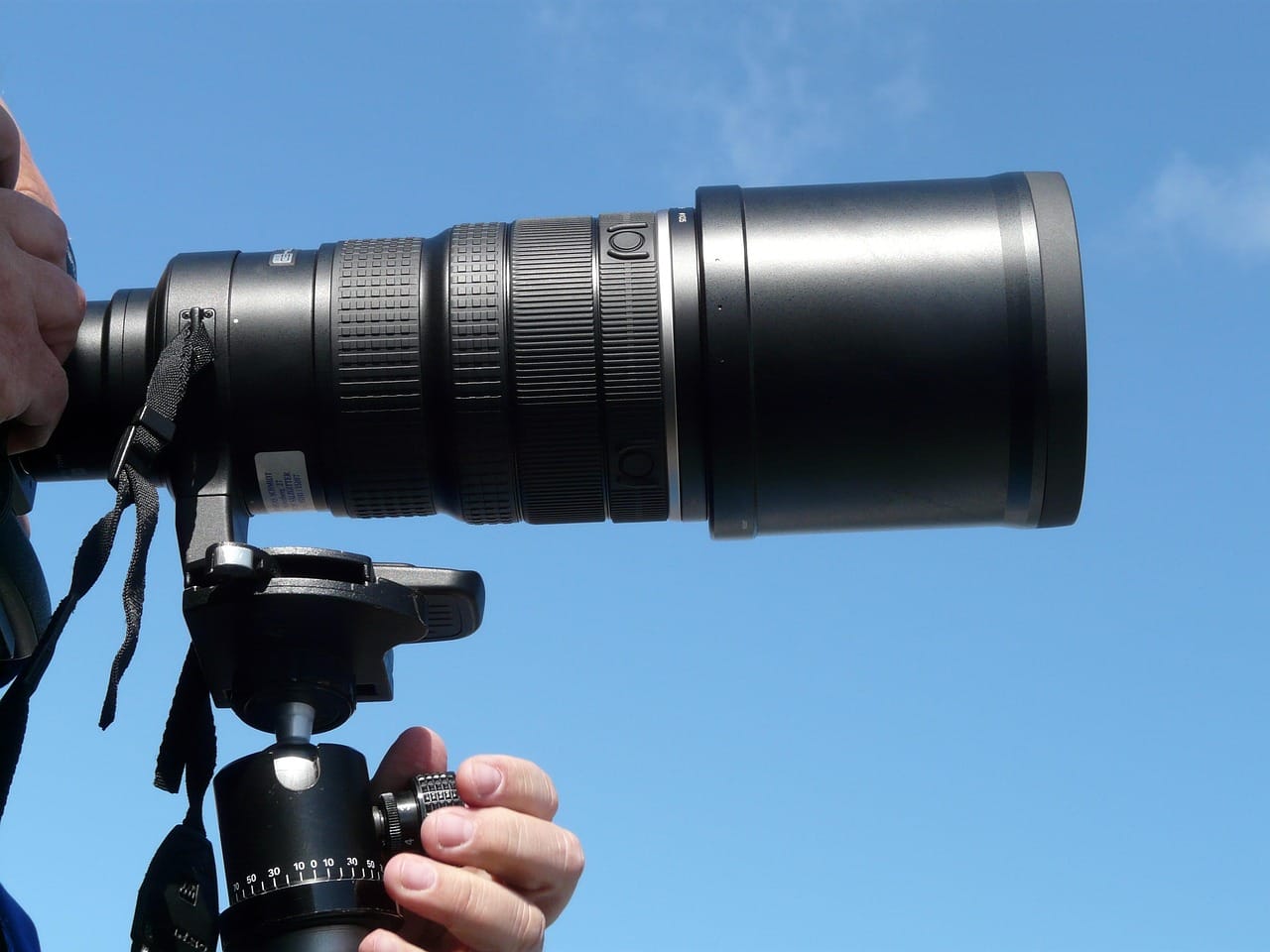
At 0:05 the shot tightens on a single tower. That is not a zoom in the edit; it is a second shot, with a long lens, cut on a flash of light in a window. We had watched that window for ten minutes. Someone was switching their lights on and off, perhaps looking for their keys. We waited for the next flash and cut on it.
In a city at night, someone else is always making your lighting decisions.
Jonah Mills
Sound
The sound is the rain against the window, recorded on a small recorder with the microphone touching the glass. It sounds like a much bigger storm than it was. In the last five seconds we mixed in the hum of the hotel's air conditioning, pitched down, which is where the feeling of a city breathing comes from.
What we learned
Plans are useful because they get you to the place. After that, the place decides. We would never have gone to that city to film its skyline; it is not a famous one. But at night, in the rain, from the twenty-third floor, it looked like somewhere in a film. We just had to be stuck long enough to notice.
The grade
At night, cameras see colours the eye does not. The street lamps in this city are a mix of old sodium lights, which glow orange, and new white LEDs. On camera, the orange ones turn almost red and the white ones turn slightly green. We left the red and pulled the green towards blue, which is closer to how the city felt: warm windows, cold rain.
We also added a very small amount of grain. Digital footage at night can look too clean, almost like a video game. A little grain makes the darkness feel like air rather than empty pixels.
The twenty minutes in the rain
For the record, the street footage was not all bad. There is one shot of a cyclist passing under a red sign that we like very much. It did not fit this film, so it is waiting for another one. Most films we make leave one good shot behind, and we keep them all in a folder called Later.
Rain, from the inside
There is something about watching a storm from a warm, dark room that the film tries to hold onto. You are close to the weather but not in it. The glass is cold under your hand, the city is loud but you hear none of it, and every window in every tower is someone else's evening. We are not sure the film says all that. But when we watch it, we remember the smell of wet coats drying on the radiator and the room service menu we could not afford, and it makes us happy. Some films are for the audience. Some are also a little bit for us.