Birds heading south

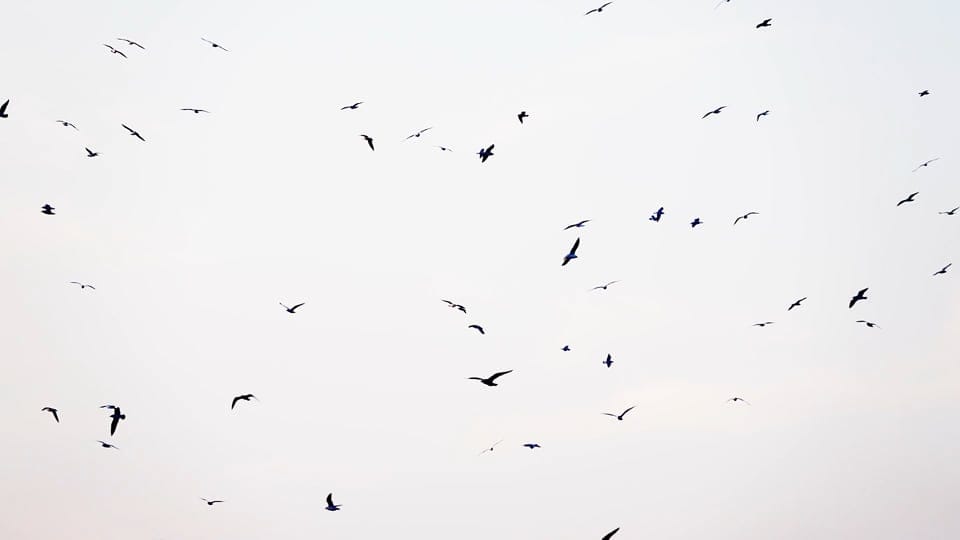
Our longest film: forty-five seconds of birds crossing a white October sky.
Every October, thousands of birds gather over the marshes north of the city before they fly south. For about a week, the sky is full of them. We stood in a field with the camera pointed at a white, cloudy sky and filmed the longest film we have published: forty-five seconds, because it needed every one.
Chapters
- 0:00 The first group
- 0:15 The sky fills
- 0:32 The last few
Why a white sky
Most people would wait for a blue sky or a sunset. We chose a flat, white day on purpose. Against white, the birds become simple dark shapes, almost like writing on a page. Every wing beat is clear, and nothing distracts from the movement. On a blue day, the same film would have looked like a holiday photo.
Finding them
Jonah spent two evenings with a group of birdwatchers who visit the marsh every year. They told us which direction the birds come from, what time they leave and, most usefully, where to stand so the groups pass overhead instead of on the horizon.
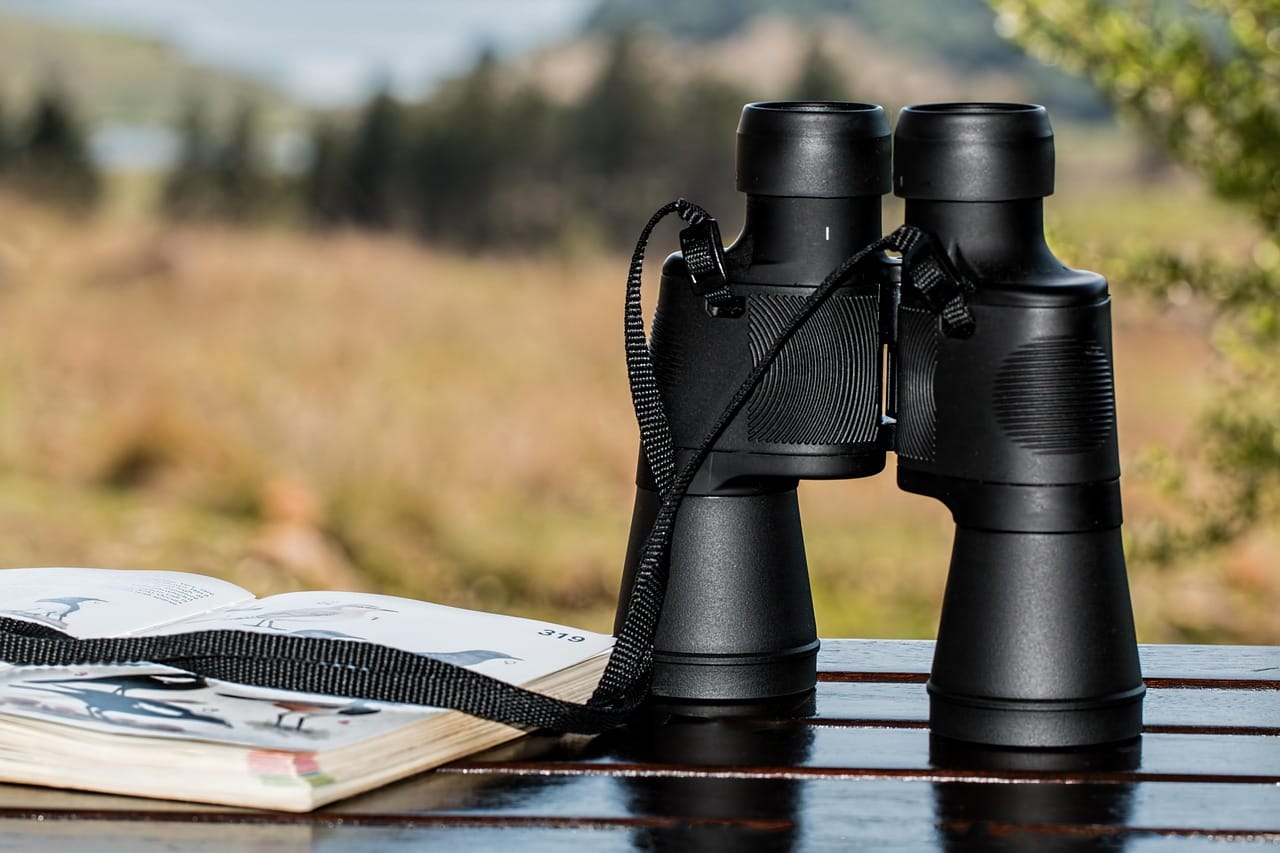
They told us exactly where the birds would be. They were right to within a few minutes.
Jonah Mills
Why forty-five seconds
We usually cut films to under thirty seconds. This one did not work short. The power of the moment is the number of birds, and you only feel the number if you see group after group arrive. At twenty seconds, it was a nice clip. At forty-five, it was an event.
The edit
The film is three shots joined together. The first group of birds appears high and small; the second fills the frame; the third is the last stragglers crossing an almost empty sky. Each shot is long, and each cut happens when the frame is nearly empty, so the joins are almost invisible. The rhythm comes from the birds, not from us: groups arrive, pass and leave. We tried adding music, and it fought the calls. The film is better with only the sound of the birds.
Sound
Lina recorded the sound separately, about a hundred metres closer to the water. The calls are real and from the same evening. The wind was strong, and she recorded behind a hedge to keep it out of the microphone.