The deer at the edge of the wood

Two mornings in a hide, one warden’s advice and nineteen seconds of a young roe deer.
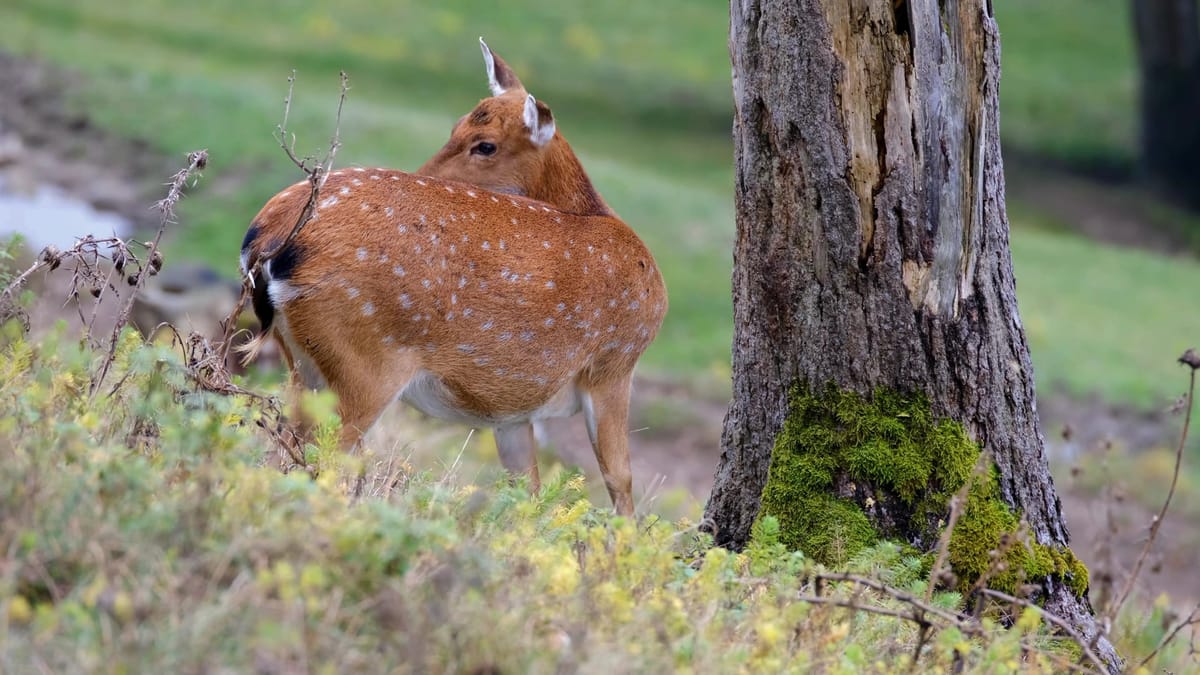
We spent two mornings in a hide at the edge of an old wood, waiting for the deer that leave tracks across the path every night. On the second morning, one came out of the trees, stopped by a fallen trunk and ate for nineteen seconds as if we were not there.
Chapters
- 0:00 Out of the trees
- 0:07 Grazing by the trunk
- 0:14 A look towards the camera
Reading the tracks
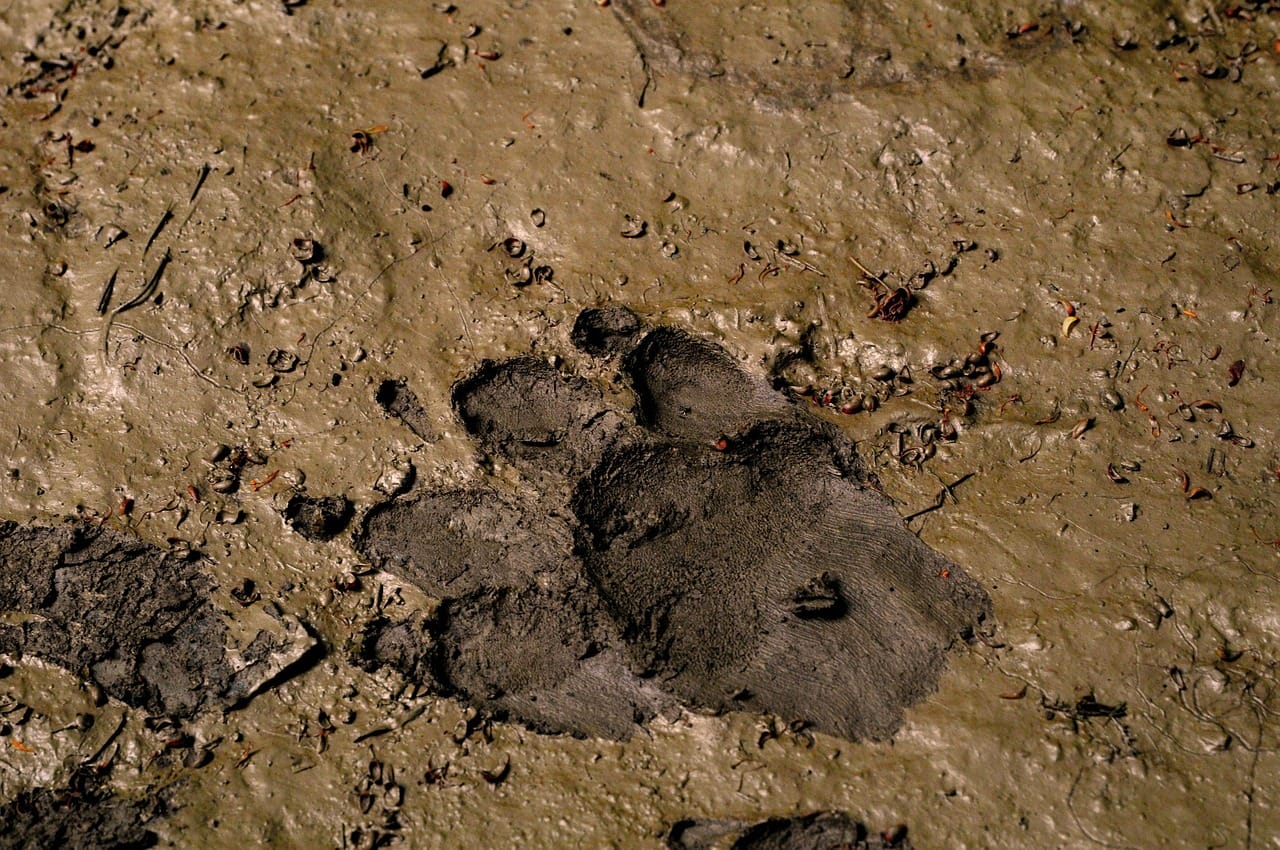
Before we filmed anything, we walked the wood for an afternoon with a local warden. She showed us where the deer cross: a muddy gap between two old oaks, used so often that the ground is cut into a narrow path. The tracks were fresh every morning, which meant the deer came through at night or very early.
The hide
A hide is a small tent made to look like part of the landscape. We set ours up the evening before, so that the smell of people had time to fade, and arrived in the dark at five the next morning. Then we sat still. No talking, no coffee, no moving the camera once the light came up.
The first morning, nothing came. The second morning, at 6:40, the deer stepped out exactly where the warden said it would.
Wildlife filming is ninety-nine percent sitting still and one percent trying not to breathe.
Noa Park
The lens
We used our longest lens, a 400mm, from fifteen metres. That distance matters: close enough for detail, far enough that the deer did not hear the camera. We filmed at a slightly higher frame rate, so the film could be slowed a little in the edit, which makes small movements feel calm instead of nervous.
The edit
The film is one unbroken shot. We had nearly four minutes of the deer, and we chose nineteen seconds from the middle, where it walks in, eats and looks up. Everything before was the deer checking the air; everything after was it walking away with its back to us. The look towards the camera at 0:14 is the moment the whole film was built around. We slowed the clip by a fifth, so the look lasts long enough to notice, and added nothing else. No music, no titles, only the sound of the wood, recorded the same morning from inside the hide.
What we left out
There was a second deer, a few metres behind the first, half hidden in the trees. We tried several versions of the edit with it and without it. Without it, the film is about one animal and one moment, which is what a minute can hold.